%20(1).jpg)
Selecting the Perfect Quartz Kitchen Countertop
- MARVEL SURFACES

- Dec 8, 2025
- 5 min read
Updated: Feb 3
Choosing the Right Quartz Kitchen Countertops: A Comprehensive Guide
Choosing the right material for kitchen countertops is a critical decision in any construction or renovation project. You want a surface that combines durability, style, and ease of maintenance. Quartz kitchen countertops have become a top choice for many professionals because they offer all these benefits and more. In this post, I’ll guide you through the essential factors to consider when selecting quartz countertops, helping you make an informed decision that meets your project’s needs.
Why Quartz Kitchen Countertops Are a Smart Choice
Quartz countertops are engineered stone surfaces made by combining natural quartz crystals with resins and pigments. This process creates a non-porous, highly durable material that resists stains, scratches, and heat. Here’s why quartz stands out:
Durability: Quartz is harder than granite and less prone to chipping or cracking.
Low Maintenance: Unlike natural stone, quartz does not require sealing. A simple wipe with mild soap and water keeps it looking new.
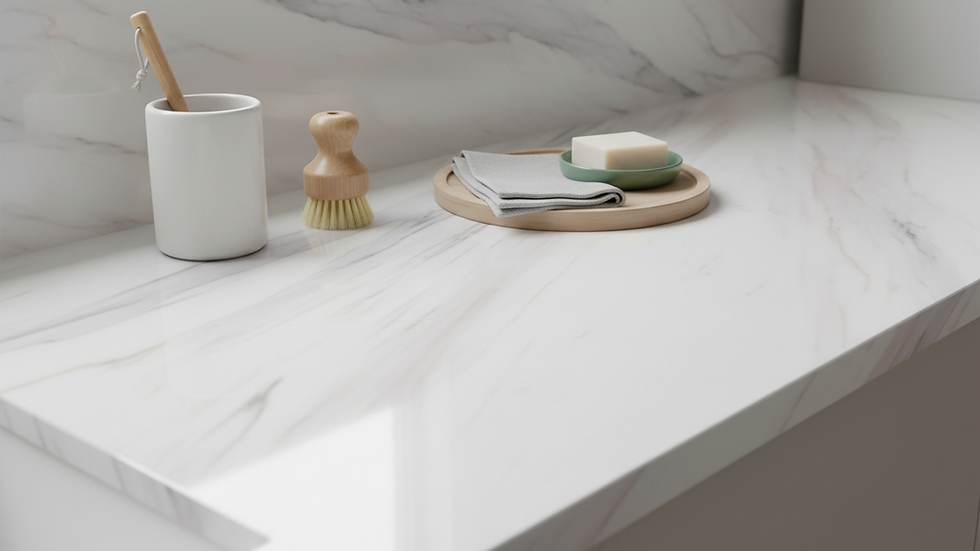
Variety of Designs: Quartz surfaces come in a wide range of colors and patterns, including options that mimic marble or granite.
Consistency: Because quartz is engineered, you get uniformity in color and pattern, which is ideal for large projects requiring matching slabs.
For fabricators and builders, these qualities translate into fewer callbacks and satisfied clients. Designers appreciate the flexibility quartz offers in achieving specific aesthetics without compromising performance.

Key Factors to Consider When Choosing Quartz Kitchen Countertops
When selecting quartz kitchen countertops, you should evaluate several important aspects to ensure the material fits your project’s requirements:
1. Color and Pattern Selection
Quartz offers an extensive palette, from solid colors to intricate patterns. Consider the overall design theme of the space:
For modern kitchens, solid colors like white, black, or grey work well.
For traditional or transitional styles, look for quartz with natural stone-like veining.
Bold colors or speckled patterns can add personality to commercial spaces.
Request samples or view full slabs to see how the color and pattern will look under different lighting conditions.
2. Thickness and Edge Profiles
Quartz slabs typically come in 2 cm or 3 cm thicknesses. Thicker slabs provide a more substantial look but may increase costs and weight considerations.
Edge profiles can dramatically change the countertop’s appearance:
Eased edge: Simple and clean, suitable for contemporary designs.
Beveled edge: Adds a subtle decorative touch.
Ogee or bullnose: More traditional and elegant.
Discuss with your fabricator which edge profiles are feasible and cost-effective for your project.
3. Fabrication and Installation
Quartz requires professional fabrication due to its hardness and engineered composition. Ensure your fabricator has experience working with quartz to avoid issues like chipping during cutting or improper seams.
Installation should be precise to maintain the integrity of the surface and ensure proper support. Consider the following:
Verify that the substrate is level and sturdy.
Plan for appropriate seam placement to minimize visibility.
Confirm that the fabricator uses recommended adhesives and sealants.
4. Budget and Lead Time
Quartz countertops vary in price depending on brand, color, and thickness. While quartz is generally more affordable than natural marble, premium designs can be costly.
Plan your budget to include fabrication, installation, and any additional features like backsplashes or integrated sinks.
Lead times can range from a few days to several weeks depending on availability and customization. Early communication with your supplier helps avoid project delays.
How to Maintain Quartz Kitchen Countertops for Longevity
One of the biggest advantages of quartz is its low maintenance. However, proper care will extend the life and appearance of your countertops:
Clean daily with a soft cloth and mild detergent.
Avoid harsh chemicals or abrasive cleaners that can dull the surface.
Use cutting boards to prevent scratches.
Wipe up spills promptly, especially acidic substances like lemon juice or vinegar.
Use trivets or hot pads under hot pots and pans to prevent thermal shock.
Educating clients or end-users on these simple steps can reduce damage and maintain the countertop’s beauty for years.

Partnering with a Trusted Quartz Supplier
Selecting a reliable supplier is crucial for sourcing high-quality quartz kitchen countertops. Look for suppliers who offer:
A wide selection of premium quartz brands and designs.
Technical support and guidance on fabrication and installation.
Consistent product availability to meet project timelines.
Competitive pricing and flexible order quantities.
For example, Marvel Surfaces is a leading distributor known for its extensive inventory and commitment to customer service. Partnering with such suppliers ensures you get the best materials and support for your projects.
Final Thoughts on Choosing Quartz Kitchen Countertops
Selecting the perfect quartz kitchen countertop involves balancing aesthetics, functionality, and budget. By focusing on color, thickness, fabrication quality, and supplier reliability, you can confidently specify quartz surfaces that enhance any residential or commercial space.
Remember, investing time in research and working with experienced professionals will pay off with beautiful, durable countertops that satisfy your clients and elevate your projects. If you want to explore premium quartz options, consider reaching out to trusted distributors who can provide samples and expert advice tailored to your needs.
With the right approach, quartz countertops can become a standout feature that combines style and performance effortlessly. Happy countertop hunting!
Additional Considerations for Your Quartz Countertops
Understanding the Environmental Impact
When selecting materials for your projects, consider the environmental impact. Quartz countertops are often made from abundant natural resources. However, the production process does involve resins and adhesives that may have environmental implications.
Look for suppliers who prioritize sustainability and offer eco-friendly options. This not only benefits the planet but also appeals to clients who value green building practices.
The Importance of Warranty and Support
A solid warranty is essential when investing in quartz countertops. It provides peace of mind and protection against defects. Before making a purchase, inquire about the warranty terms and what it covers.
Additionally, ensure your supplier offers ongoing support. This can be invaluable if you encounter any issues during installation or after the countertops are in use.
Trends in Quartz Countertops
Staying updated on trends can help you make informed choices. Currently, there is a growing preference for quartz countertops that mimic natural stone. Designs that feature bold veining and unique patterns are gaining popularity.
Incorporating these trends can elevate your projects and appeal to clients looking for modern aesthetics.
Conclusion
Choosing quartz kitchen countertops is a significant decision that can impact the overall success of your project. By considering factors such as color, thickness, fabrication, and supplier reliability, you can ensure a successful outcome.
Whether you’re working on a residential or commercial space, quartz countertops offer a blend of beauty and functionality. With the right approach, you can create stunning environments that leave a lasting impression. Happy countertop hunting!


Comments