%20(1).jpg)
Porcelain Shower Wall Panels for Modern Bathrooms
- MARVEL SURFACES

- Sep 15, 2025
- 4 min read
When it comes to designing modern bathrooms, the choice of materials can make all the difference. You want surfaces that are not only visually stunning but also durable and easy to maintain. Porcelain bath surfaces have become a top choice for many professionals in the construction and design industries. They offer a sleek, contemporary look while meeting the practical demands of daily use. In this post, I’ll walk you through why porcelain is a fantastic option, how it compares to other materials, and what you should consider before making your selection.
Why Choose Porcelain Bath Surfaces for Your Projects?
Porcelain bath surfaces bring a unique combination of beauty and functionality. They are made from fine clay fired at very high temperatures, which results in a dense, hard material. This process gives porcelain its signature strength and resistance to moisture, stains, and scratches. For fabricators, builders, and designers, this means fewer callbacks and happier clients.
Here are some key benefits of porcelain bath surfaces:
Durability: Porcelain is highly resistant to chipping and cracking, making it ideal for high-traffic bathrooms.
Low Maintenance: Unlike natural stone, porcelain does not require sealing. A simple wipe with mild soap and water keeps it looking new.
Design Versatility: Porcelain panels come in a wide range of colors, patterns, and finishes, including options that mimic natural stone or wood.
Hygienic: Its non-porous surface prevents mold and mildew growth, which is crucial in wet environments.
Eco-Friendly: Many manufacturers use sustainable practices and recycled materials in porcelain production.
If you want to impress clients with a modern, clean aesthetic while ensuring longevity, porcelain bath surfaces are a smart choice.

Incorporating Porcelain Bath Surfaces into Your Designs
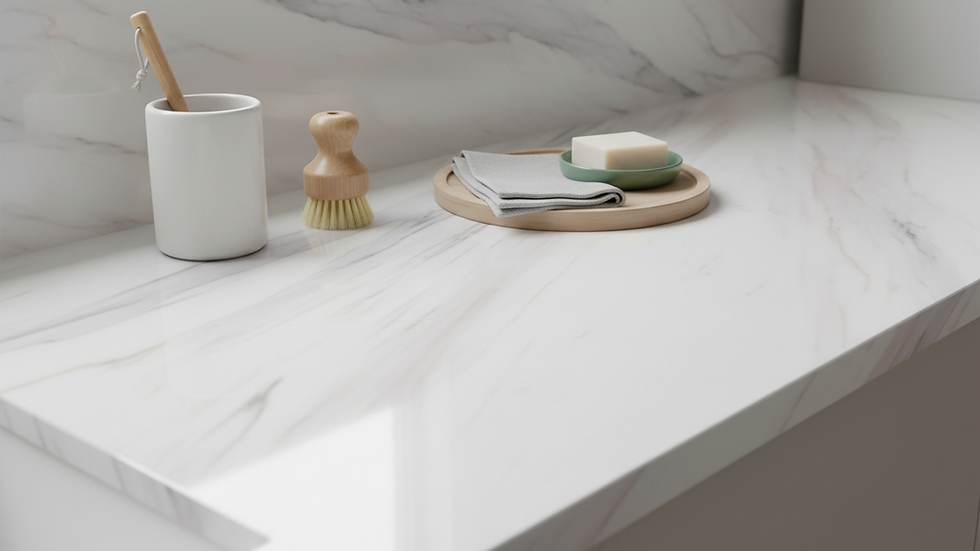
When planning a bathroom project, consider how porcelain bath surfaces can enhance both form and function. These surfaces are perfect for shower walls, bathtub surrounds, and even vanity tops. Their large-format panels reduce grout lines, which not only looks seamless but also minimizes areas where dirt and grime can accumulate.
Here are some practical tips for working with porcelain bath surfaces:
Choose the Right Thickness: Panels typically range from 6mm to 12mm thick. Thicker panels offer more durability but may require stronger support.
Plan for Professional Installation: Porcelain panels are heavy and brittle. Skilled installers can ensure proper handling and fitting to avoid damage.
Coordinate with Other Materials: Porcelain pairs beautifully with metals like brushed nickel or matte black fixtures, as well as natural wood accents.
Consider Lighting: Porcelain’s reflective surface can brighten a space. Use this to your advantage by positioning lighting to highlight textures and finishes.
Use Waterproof Adhesives and Sealants: Even though porcelain is water-resistant, proper installation with waterproof materials is essential to prevent leaks.
By integrating these surfaces thoughtfully, you can create bathrooms that are both stylish and practical.

What are the disadvantages of shower panels?
While porcelain shower panels offer many advantages, it’s important to be aware of some potential drawbacks:
Cost: Porcelain panels can be more expensive upfront compared to traditional tile or acrylic panels. However, their durability often offsets this over time.
Installation Complexity: Due to their size and weight, porcelain panels require professional installation. DIY attempts can lead to breakage or poor fitting.
Limited Flexibility: Unlike tiles, porcelain panels come in fixed sizes and shapes, which might limit design options in irregular spaces.
Repair Challenges: If a panel cracks or chips, replacing it can be more complicated than swapping out a single tile.
Cold to the Touch: Porcelain can feel cooler underfoot or on the skin, which might be less comfortable in colder climates unless underfloor heating is installed.
Understanding these factors helps you make informed decisions and set realistic expectations for your projects.
How to Choose the Best Porcelain Shower Wall Panels for Your Projects
Selecting the right porcelain shower wall panels involves balancing aesthetics, performance, and budget. Here’s a checklist to guide your choice:
Surface Finish: Matte finishes offer a modern, understated look and better slip resistance. Glossy finishes reflect more light and can make small spaces feel larger.
Color and Pattern: Neutral tones like whites, grays, and beiges are timeless. Bold patterns or textures can add personality but may date quickly.
Panel Size: Larger panels reduce grout lines and create a seamless look but require careful handling.
Thickness and Weight: Ensure your wall structure can support the panel weight, especially for large-format options.
Manufacturer Reputation: Choose suppliers known for quality and consistency. This reduces the risk of defects and ensures warranty support.
Sustainability: If eco-friendliness is a priority, look for certifications or recycled content in the panels.
By following these guidelines, you’ll select panels that meet your project’s needs and impress your clients.
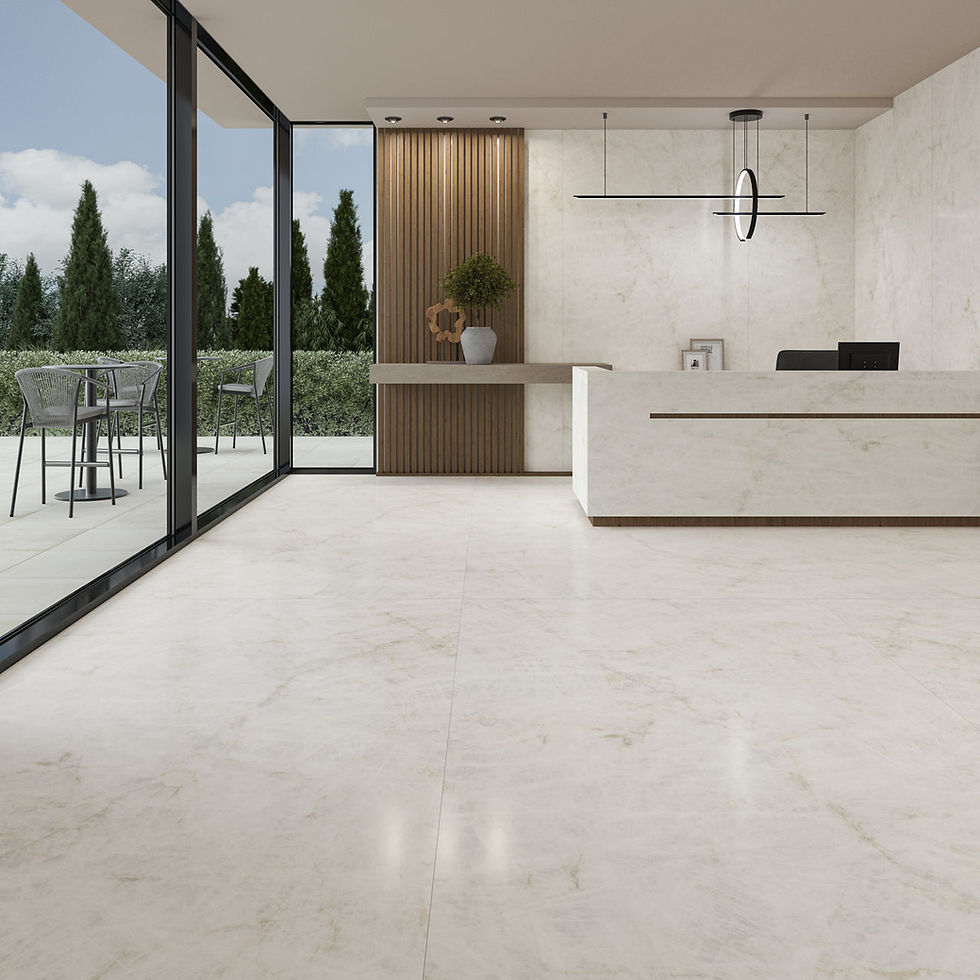
Maximizing the Impact of Porcelain Bath Surfaces in Commercial and Residential Spaces
Porcelain bath surfaces are not just for residential bathrooms. They are increasingly popular in commercial settings like hotels, gyms, and office buildings due to their durability and ease of maintenance. Here are some ways to maximize their impact:
Create Feature Walls: Use large-format porcelain panels to create stunning shower walls or tub surrounds that become focal points.
Mix Textures: Combine smooth porcelain with textured tiles or wood to add depth and interest.
Incorporate Lighting: LED strip lighting along edges or behind panels can highlight the surface and add ambiance.
Use Coordinated Accessories: Match towel bars, faucets, and shelves to complement the porcelain finish.
Plan for Accessibility: Porcelain’s smooth surface is easy to clean and maintain, making it ideal for accessible bathrooms where hygiene is critical.
By thinking creatively, you can leverage porcelain bath surfaces to deliver both beauty and function in any setting.
Porcelain bath surfaces offer a winning combination of style, durability, and ease of maintenance. Whether you’re working on a residential remodel or a large commercial project, these surfaces can help you deliver exceptional results that stand the test of time. If you want to explore premium options, check out porcelain shower wall panels from trusted suppliers like MARVEL SURFACES. They provide the quality and variety you need to bring your bathroom designs to life with confidence.


Comments