%20(1).jpg)
Choosing the Right Slabs for Your Next Project
- Evelyn Penrose

- May 29, 2025
- 4 min read
When embarking on a new construction or home renovation project, choosing the right slabs is crucial for ensuring both functionality and aesthetic appeal. Slabs add character, durability, and a unique touch to various spaces, including countertops, flooring, and walls. But with a myriad of options available, how do you make the right choice? Let’s explore the factors you should consider when selecting the best slabs for your next project.
Understanding Stone Slabs
Stone slabs are large, flat pieces of stone that can be cut to the size required for your project. They are commonly used in kitchens, bathrooms, and outdoor spaces. The most popular types of stone slabs include granite, marble, quartzite, and limestone. Each type has its own unique qualities, benefits, and drawbacks.

Granite is one of the most sought-after materials due to its durability and resistance to scratches and heat. Marble, on the other hand, is known for its elegance and aesthetic appeal but can be more susceptible to staining and scratching. Understanding these differences will help you make an informed decision.
Factors to Consider When Choosing Stone Slabs
Purpose and Location
The purpose of your project will greatly influence the type of slab you should choose. For instance, if you are selecting slabs for kitchen countertops, granite or quartz might be more suitable due to their durability and ease of maintenance. If you are looking for flooring, consider the durability and slip resistance of the material.
Additionally, the location of the slabs—whether indoors or outdoors—can also affect your choice. Outdoor slabs should be weather-resistant and able to withstand temperature changes and moisture.

Color and Aesthetic
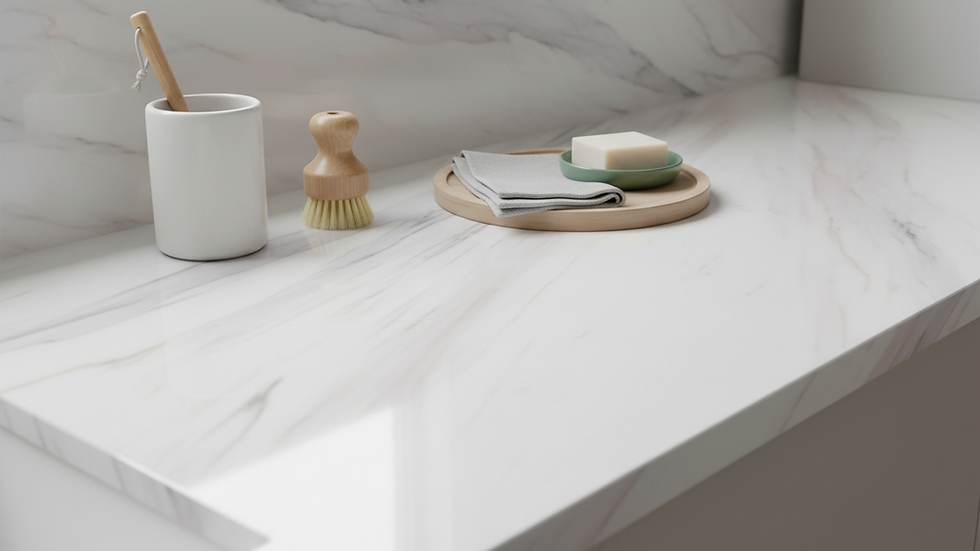
The aesthetic appeal of the slabs is another critical factor. The colors and patterns of the stone can set the tone for the entire space. Do you prefer a more neutral look, or are you looking to make a bold statement with your choice? For contemporary settings, lighter colors like beige or white can enhance the space, while darker tones like deep charcoal can add drama.
Think about how the slabs will work with other elements in your space, including cabinetry, fixtures, and flooring. Don’t be afraid to bring samples home to see how they look in the lighting of your home.
Maintenance and Care
Different stone slabs require varying levels of maintenance. Granite slabs are generally low-maintenance and only need to be sealed periodically, while marble might require more attention to prevent staining from food and drink spills. Make sure to inquire about the care requirements and factor them into your decision.
Consider your lifestyle as well. If you have pets or children, you may want to choose materials that are less prone to damage and easy to clean.

Cost Considerations
Budgeting is a crucial aspect of any project. Stone slabs can vary significantly in price based on the type, quality, and origin of the stone. For instance, while raw granite might be relatively affordable, custom-cut pieces can be more expensive. Price also influences other factors, such as installation costs and long-term value.
It is wise to compare prices from different suppliers and consider how long you expect the slabs to last. Investing in quality materials can save money in the long run, as you'll spend less on replacements and repairs.
Sourcing and Suppliers
Where you source your stone slabs is equally important. Research local suppliers and check reviews to ensure you are purchasing from reputable businesses. Many suppliers offer online catalogs and samples, which can help you visualize how the slabs will look in your space.
Also, consider visiting a showroom to see the options in person. When you can touch and see the stones up close, it can make the selection process much easier.
Installation Considerations
Installing stone slabs often requires professional help, especially if you are working with heavy materials like granite or marble. Ensure that you factor in installation costs into your overall budget.
On top of that, check the installers’ experience and reviews to make sure they have a history of quality work. This can make a significant difference in the final appearance and longevity of the slabs.

Innovative Uses for Stone Slabs
Stone slabs are versatile and can be used in various creative ways beyond traditional applications. Here are a few innovative ideas:
Accent Walls: Using stone slabs to create an accent wall can instantly transform a room. It adds texture and visual interest, making it a focal point.
Furniture: Incorporating stone slabs into furniture design, such as table tops or vanities, provides durability and sophistication.
Outdoor Spaces: From patios to fire pits, stone slabs can enhance outdoor living spaces, creating a seamless transition between indoor and outdoor areas.
By thinking outside the box, you can maximize the use of stone slabs in your project and create truly unique elements.
Final Thoughts
Choosing the right slabs for your next project may seem overwhelming, but by considering the various factors outlined above, you can navigate the decision-making process with confidence. Remember to reflect on the purpose, aesthetic, maintenance, cost, and sourcing of the slabs.
Investing the time and effort into selecting the right materials will lead to a successful project with lasting results. For inspiration and a wide variety of options, check out granite and stone slabs. Here’s to transforming your space into a stunning and functional environment!


Comments